
Europe in miniature: one member’s reflections on 30 years of European collaboration
As long-time Utrecht Network member Svend Poller retires, his reflections offer a timely reminder that successful internationalisation is built on trust, innovation and lasting relationships.
What makes a university network truly successful? Is it the number of partnerships, mobility opportunities or joint projects? After more than 30 years with the Utrecht Network, Svend Poller believes the answer lies elsewhere: in the trust, diversity and long-term relationships that turn cooperation into a genuine community.
As Svend retires after a career dedicated to international higher education, his story reflects not only his personal journey but also the evolution of the Utrecht Network itself.
When he attended his first Network meeting in 1993, shortly after becoming Head of the International Office at Leipzig University, he was new to the field and eager to learn.
"I immediately sensed a working atmosphere characterised by trust, which bordered on the friendly."
That first impression stayed with him. Over the years, professional exchanges developed into lasting collaborations, while colleagues from universities across Europe became lifelong friends.
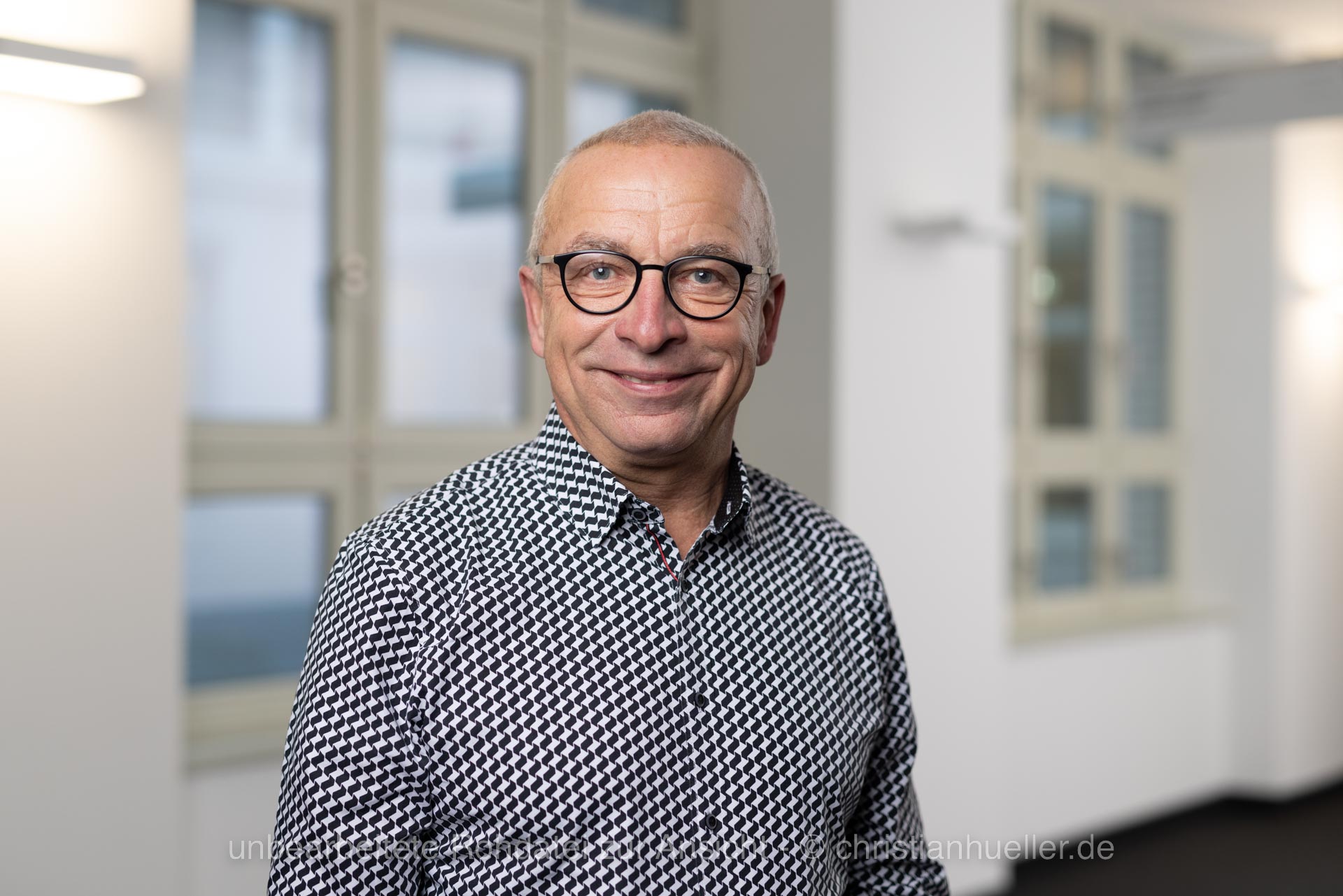
Svend Poller
This spirit of cooperation was one of the driving forces behind the Summer School Task Force, established in the early 2000s to create innovative international learning opportunities. Svend joined the initiative from the beginning, attracted by its forward-looking approach.
At a time when international summer schools were still relatively new, the Task Force launched a series of programmes focusing on human rights, hosted by different Utrecht Network universities across Europe. Beyond offering students an international learning experience, these initiatives also strengthened collaboration between academics and professional staff.

Sabine Pendl, Svend Poller, Amparo Villen, Bettina Nelemans

Svend Poller and Sabine Pendl
"The series also gave rise to research collaborations resulting in joint publications."
For Svend, this is one of the clearest examples of how internationalisation can generate long-term impact, extending well beyond the classroom.
Innovation, he believes, should continue to shape the Network's future. Looking ahead, he sees artificial intelligence as one of the most promising opportunities for international higher education.
"The potential for using artificial intelligence, including for internationalisation projects, remains too much in the shadows."
He hopes the Utrecht Network will continue to provide a platform where universities can explore these opportunities responsibly, just as it has done with previous innovations in international education.
Looking back over more than three decades, Svend believes the Utrecht Network's greatest contribution lies in the way it has combined diversity with a practical approach to cooperation.
"The Utrecht Network is Europe in miniature."
Bringing together 30 universities from 26 European countries, together with partners beyond Europe, the Network offers a unique environment where different perspectives meet and collaboration grows naturally. According to Svend, this diversity has been one of its most valuable strengths, making it possible to develop initiatives that are both ambitious and firmly rooted in the everyday practice of internationalisation.

Svend Poller and Sabine Pendl at FAUBAI Conference
He also highlights the Network's ability to translate collaboration into concrete opportunities. Every year, around 2,000 students take part in Utrecht Network mobility programmes, while task forces continue to develop initiatives – from summer schools to staff cooperation – that respond directly to the needs of member universities.
What distinguishes the Utrecht Network, Svend says, is its bottom-up way of working. Rather than being driven solely by institutional strategies, many of its most successful initiatives have grown from the ideas and commitment of colleagues working together across Europe.
"Its breadth, as well as its focus on the practical outcomes of internationalisation, sets the Utrecht Network apart."
As he prepares to leave professional life behind, there is one aspect of the Network that Svend knows he will miss the most.
"I will miss my kind colleagues and friends from all corners of Europe, with their stories and experiences. They have enriched my life immensely."
His words remind us that internationalisation is ultimately about people. Behind every mobility programme, summer school and collaborative project are relationships built over years of shared experiences, mutual trust and a common commitment to improving higher education.
As the Utrecht Network looks to the future, Svend's journey offers a simple but powerful lesson: successful European cooperation is not only built through projects and programmes, but through the community that makes them possible.

The Summer School Task Force


