
From Virtual Exchange to European Alliances: interview with Sabine Pendl
From Virtual Exchange to European Alliances: Utrecht Network’s Next Moves. Interview with Sabine Pendl, outgoing President of Utrecht Network
What happens when universities stop working in parallel—and start building solutions together?
At the Annual General Meeting of the Utrecht Network, held at the University of Coimbra, President Sabine Pendl outlined two initiatives that point clearly toward the future of European higher education: one focused on teaching innovation and sustainability, the other on strengthening collaboration across university alliances.
“Rather than going into too much detail, I’d like to highlight two key initiatives.”
Rethinking mobility through virtual exchange
The first initiative centers on virtual exchange and virtual mobility, offering Utrecht Network teachers a structured training pathway.
The programme includes three online sessions combined with a two-day in-person meeting in Brussels. What connects all participants is a shared commitment to integrating sustainability into their daily teaching and academic work.
“This is an offer for teachers of the Utrecht Network to get a training in three online sessions about virtual exchange, virtual mobility.”
Beyond skills development, the initiative is designed to spark collaboration.
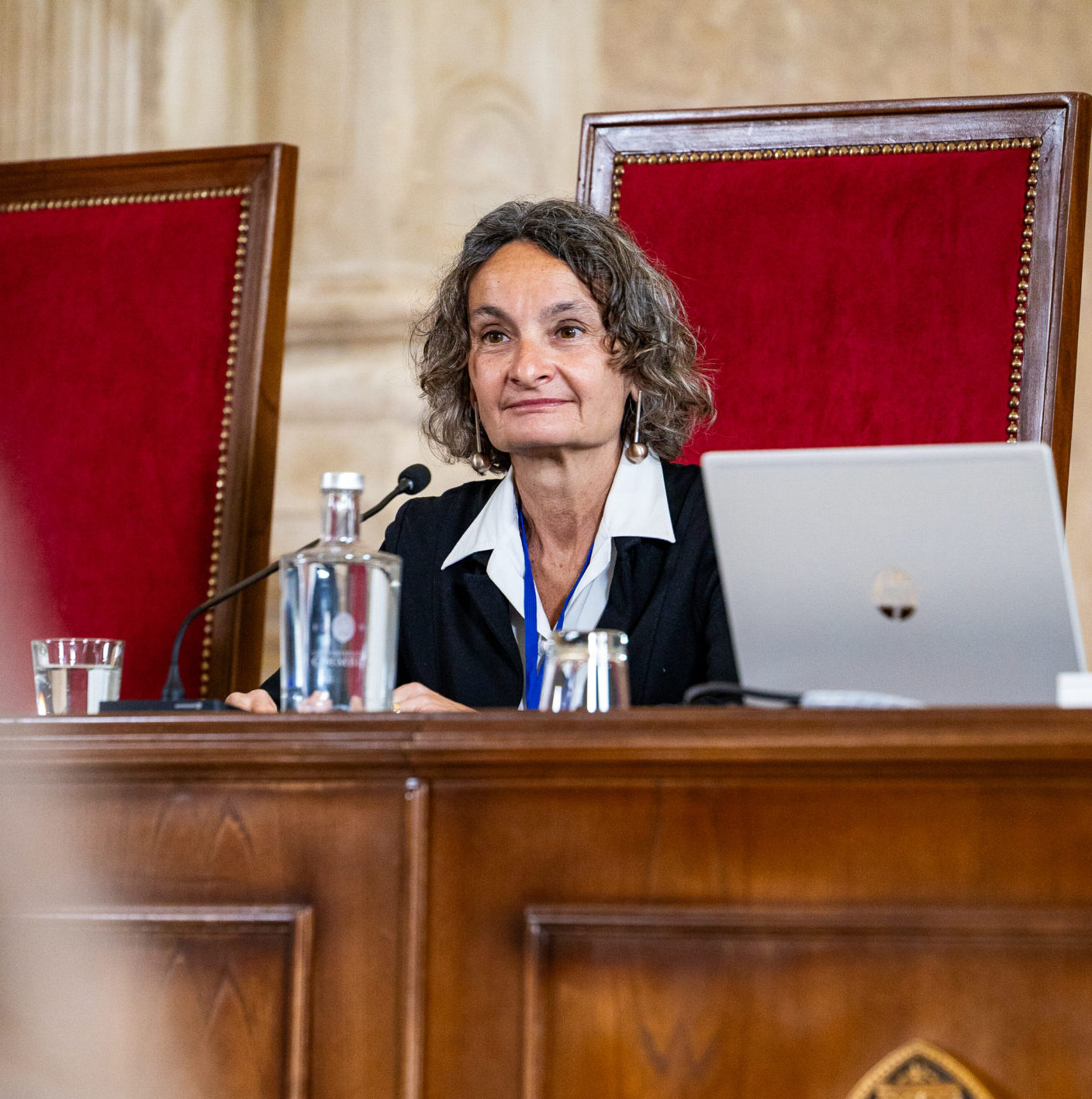
“We hope that more initiatives are about to come out if the teachers meet, get to know each other better.”
The expectation is that new joint activities—such as Blended Intensive Programmes (BIPs) or summer schools—will naturally emerge from these connections.
Bringing European university alliances closer
The second initiative addresses a broader structural challenge in Europe’s higher education landscape.
While European University alliances often face similar issues, they tend to work in isolation. Utrecht Network aims to change that by bringing together alliance chairs to exchange perspectives, identify common ground, and explore opportunities for closer cooperation.
“All of them work individually but facing similar problems and we are trying to bring them all together.”
In a rapidly changing European context, this effort could help create more aligned, resilient, and impactful collaborations.
“Find something in common and maybe also areas we can work closer together in a changing world here in Europe.”
Looking ahead
These two initiatives highlight a clear direction: fostering meaningful connections—between teachers, institutions, and alliances—to generate lasting impact.
A shift from isolated efforts to shared strategies that could redefine how universities collaborate across Europe.

